Houses & Buildings
An architectural journey through historic homes, centers, and sacred spaces in the Sufi Movement.

This page brings together the historic houses, centers, and buildings connected to the Sufi Movement. Captions are translated from the original Dutch Sufipedia page and enriched with additional context, sources, and imagery for architectural orientation.
India
Baroda
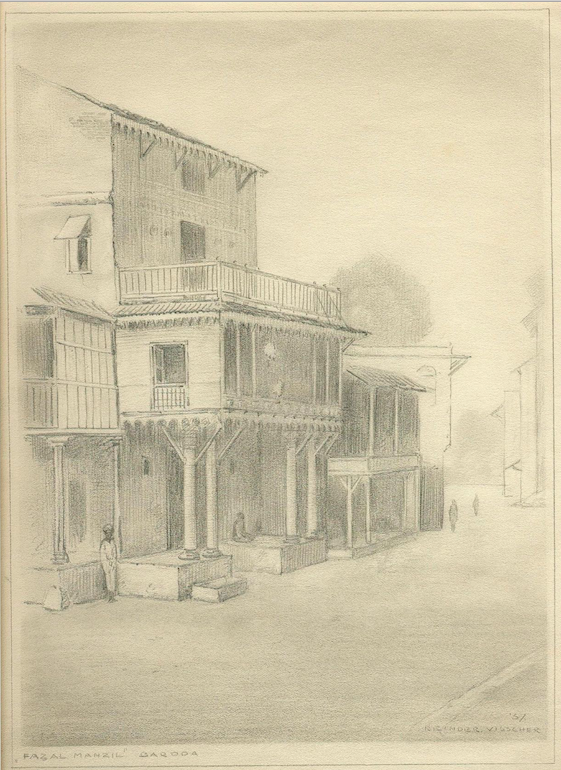
Maulabakhsh House in Baroda (nowadays called Vadodara) in the state of Gujerat. It was the residence of the joint Khan family, with Maulabaksh as patriarch. Murshid was born here. The picture shows a drawing of the house made by the Dutch mureed Reinder Visscher.
Delhi
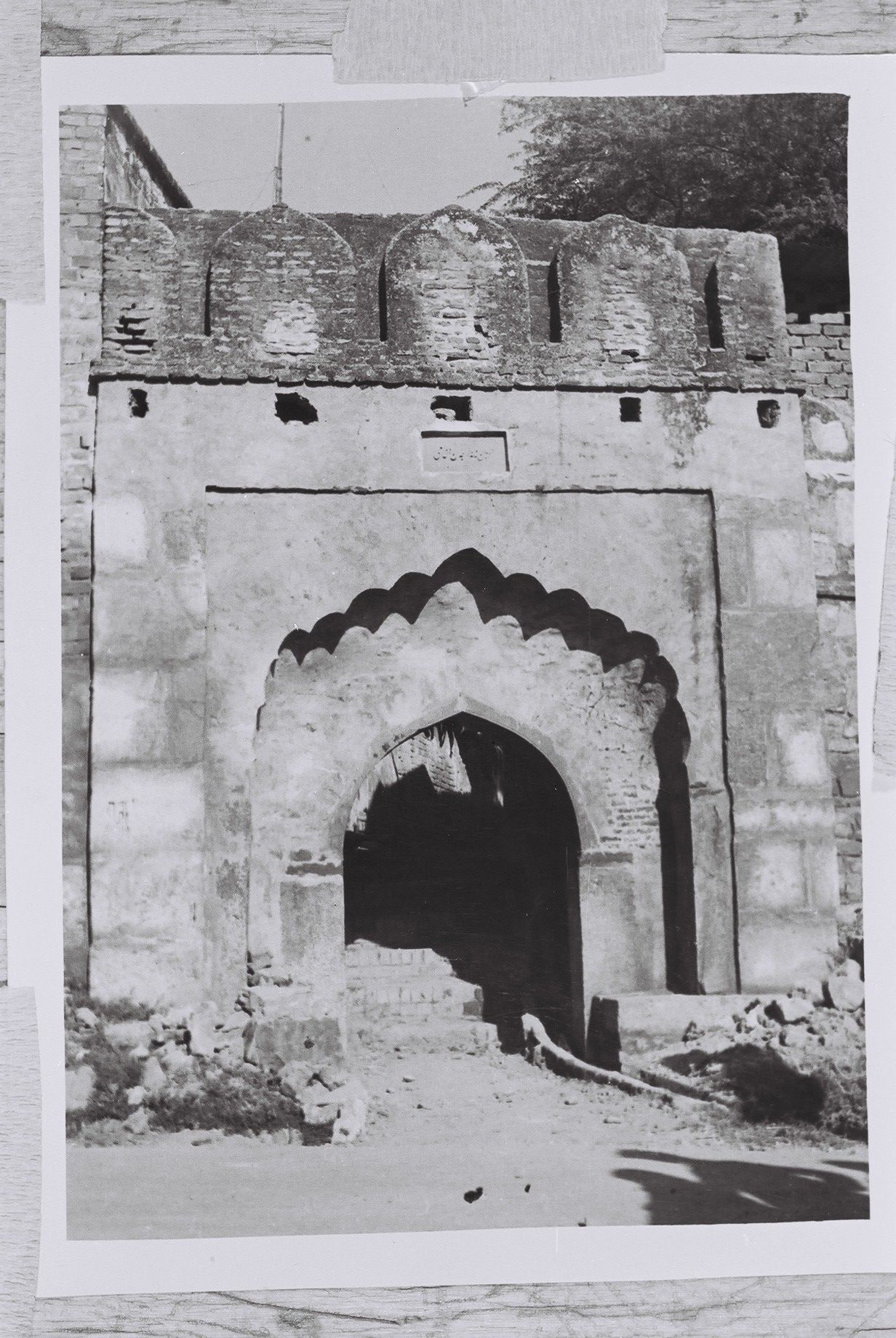
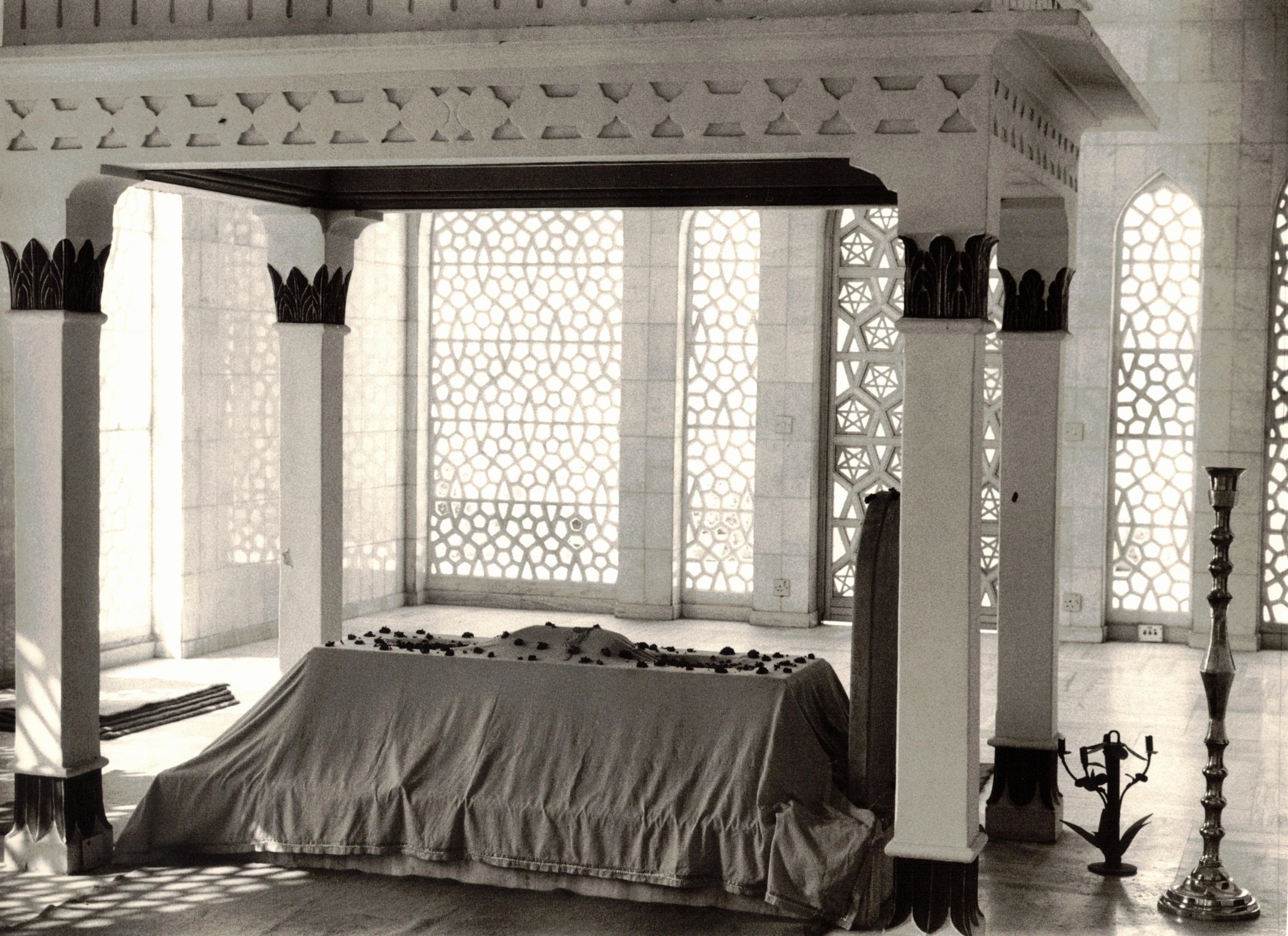
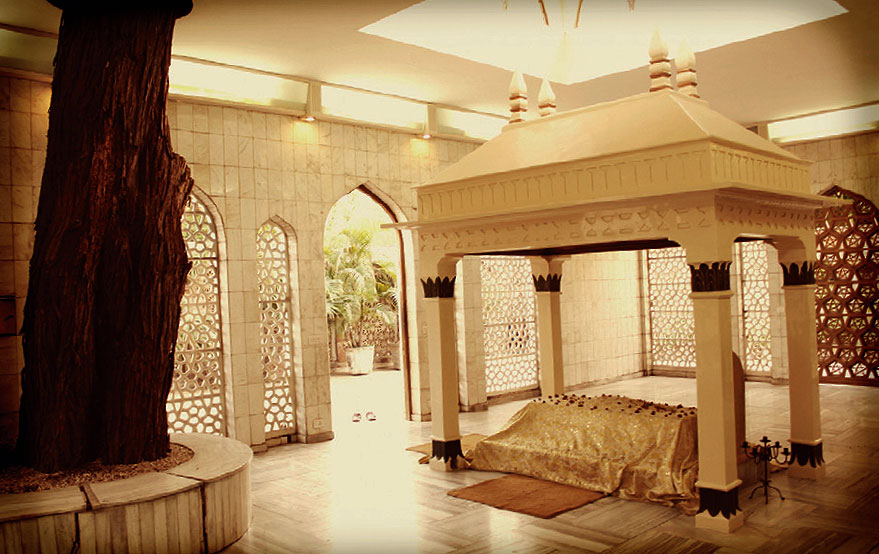
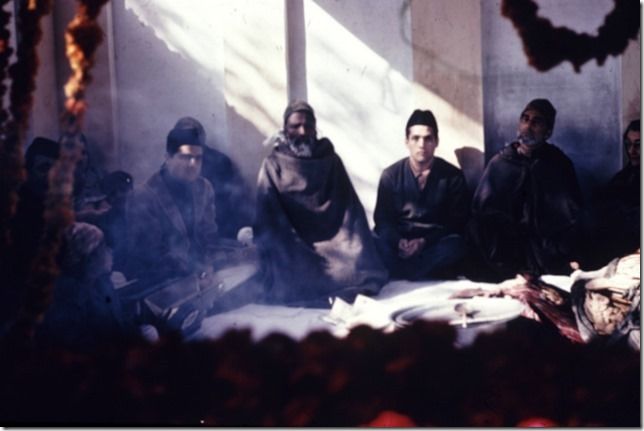
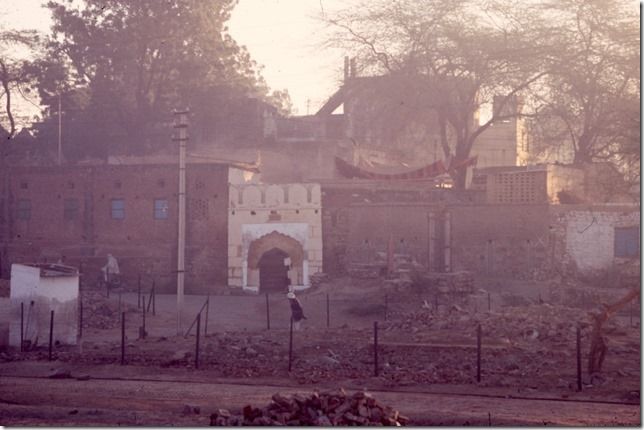
Murshid passed away on the fifth of Februar 1927 in Tilak Lodge in Delhi. According to his wish he was buried near the grave of Nizamuddin Aulia, the great Sufi saint of the Chisti Order in the Basti Nizamuddin.
More information can be found on the website: https://www.theislamicheritage.com/detail/Dargah-of-Hazrat-Inayat-Khan
England
Addison Road 100d (Top Floor)
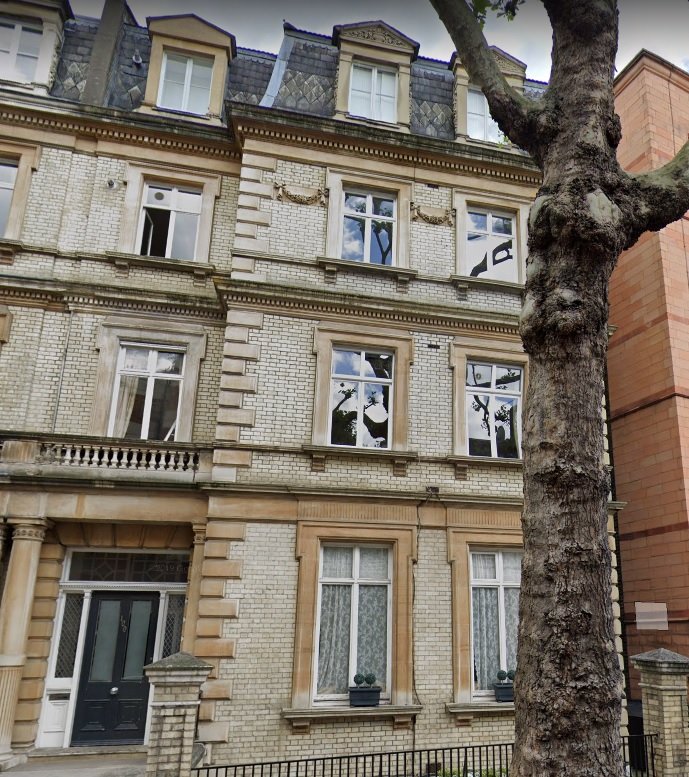
Addison Road 100d (top floor), London. Murshid's first address in London (1914 to 1916).
Addison Road connects Kensington High Street with Notting Hill and Holland Park Avenue.
The road is often cited among London's most expensive residential streets.
Ladbroke Road 86
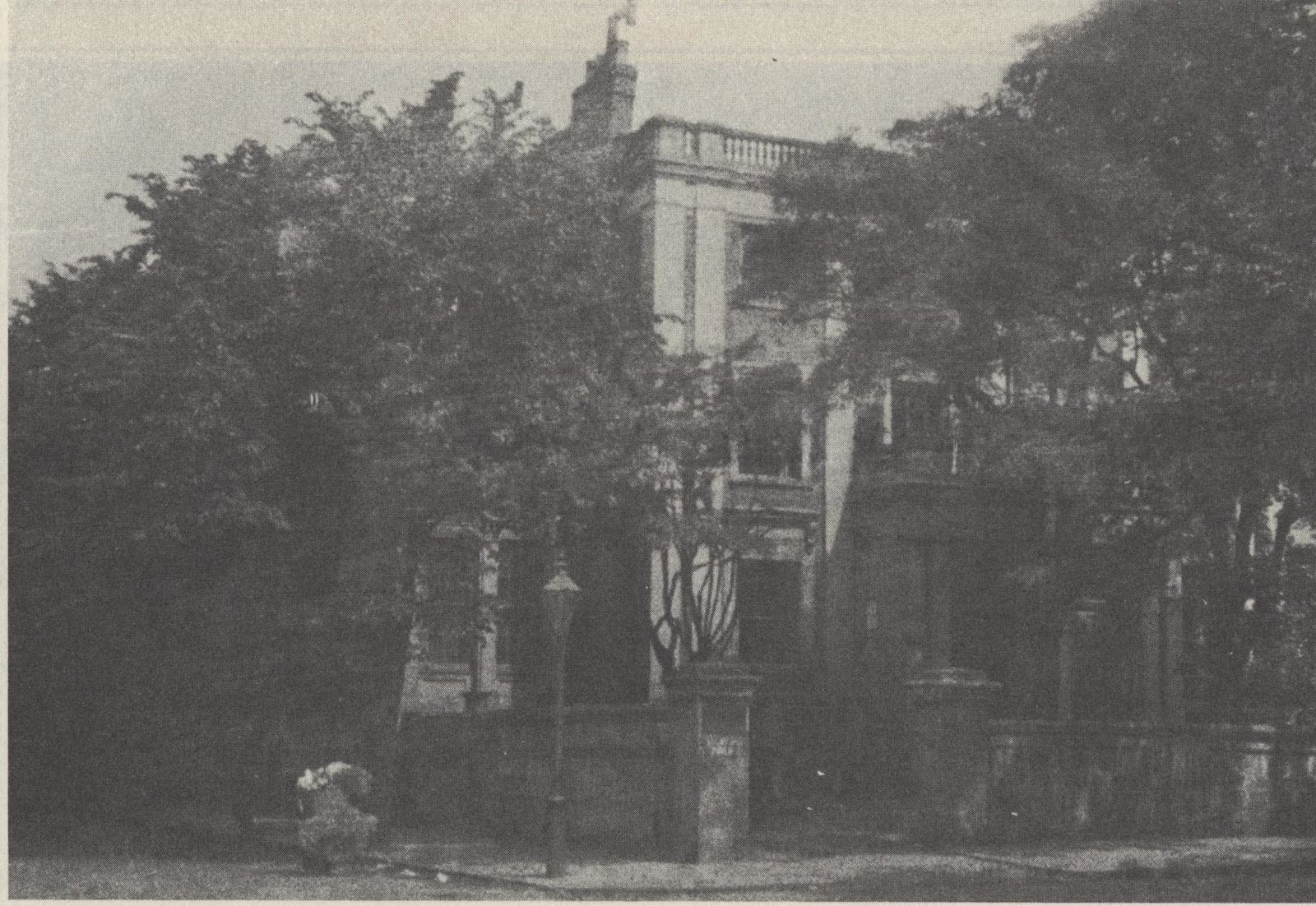
Ladbroke Road 86, London. Murshid lived here with his family from 1916 through 1919. Also the The Sufi Order's Khankah (headquarters) was established here.
France
Rue Neuve 15, Wissous
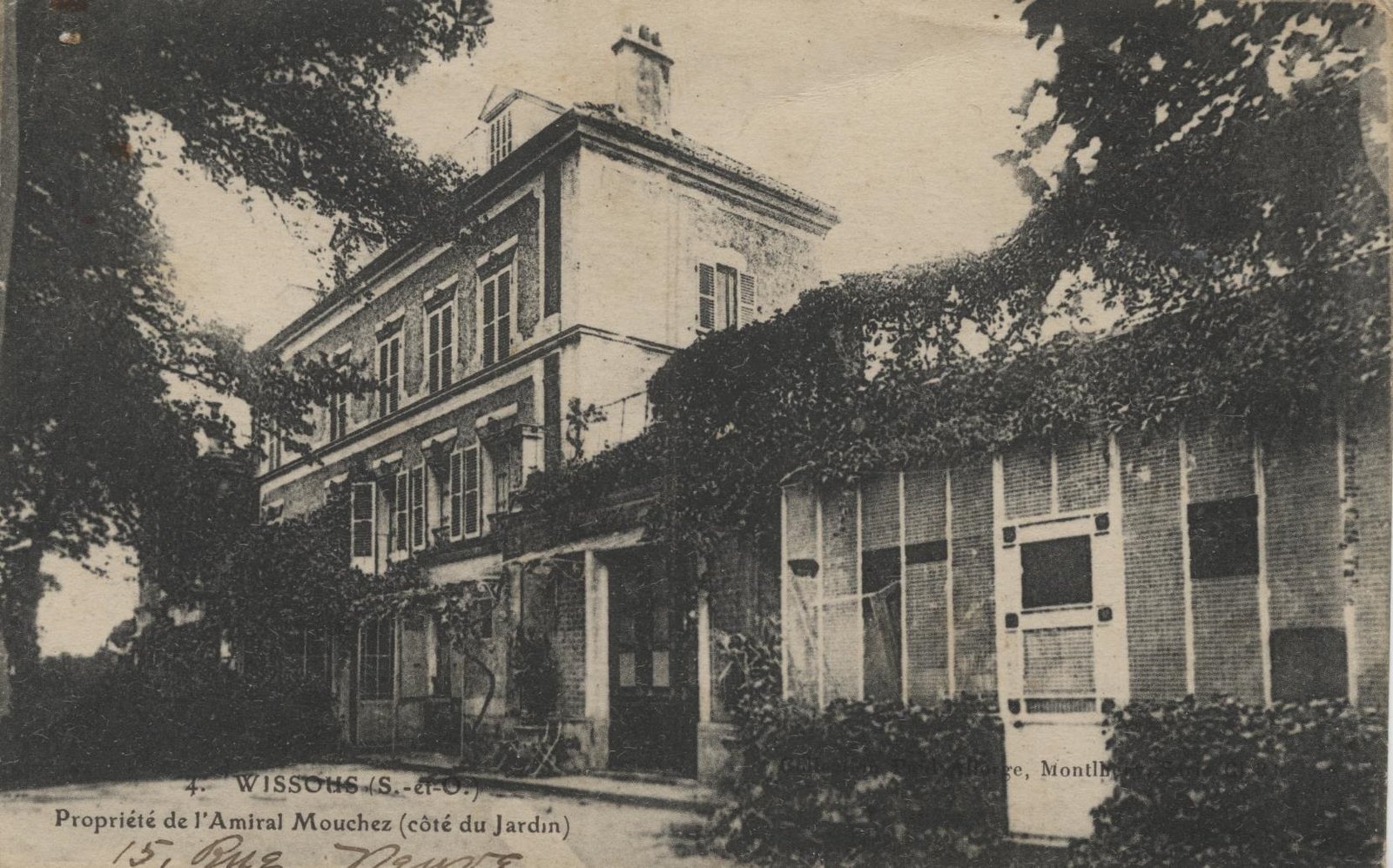
Murshid's house in Wissous (Rue Neuve 15), where he lived in 1921 and 1922 before moving to Fazal Manzil. A first small-scale summer school was held here in the summer of 1921.
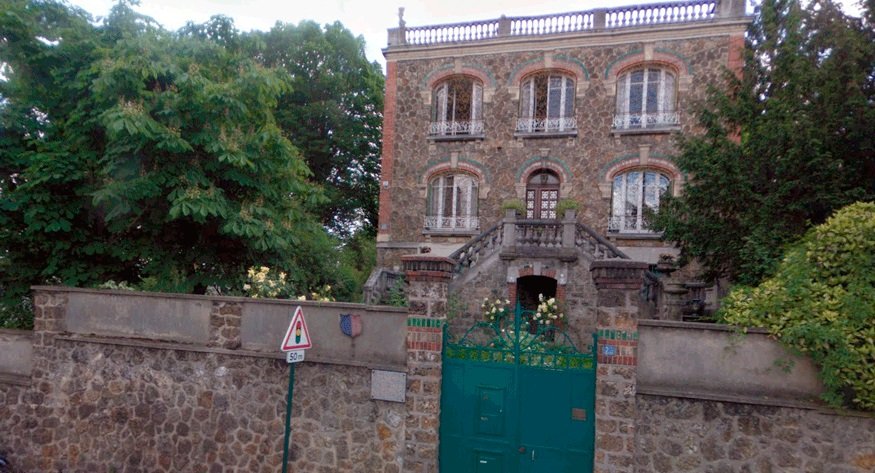
Fazal Manzil, Suresnes, Rue de la Tuilerie
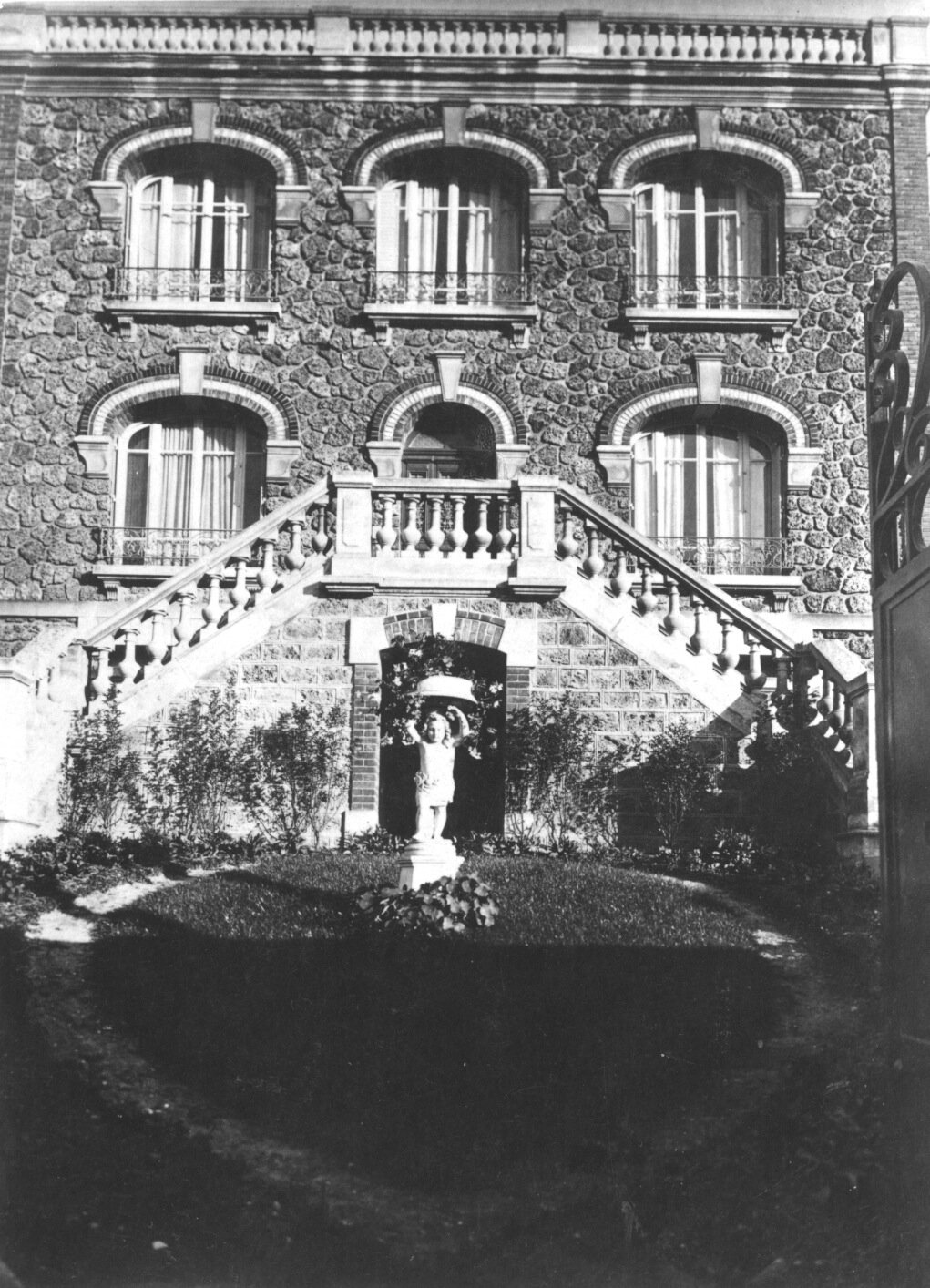
Fazal Manzil, the home of Inayat Khan and his family: a historical photo and the present-day view.
Fazal Manzil was a gift from Murshida Fazal Mai Egeling in 1922.
Suresnes is a commune in the western inner suburbs of Paris, about 9.3 km from the city center.
Lecture Hall (Suresnes)
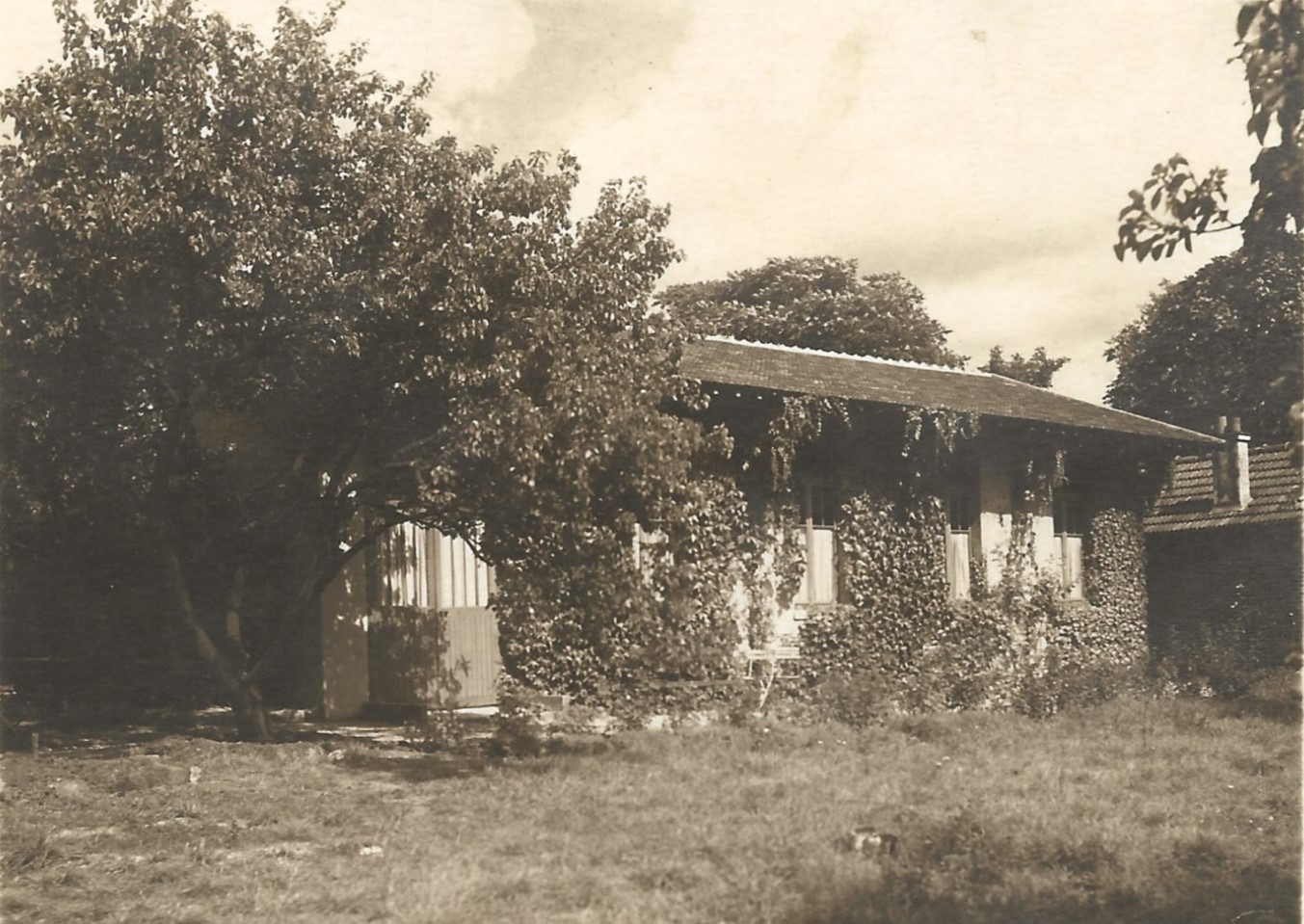
The Lecture Hall was built on the 'Sufi Land' opposite of Fazal Manzil in 1925. The hall continued to be used throughout the thirties for the annual Summer School. The Sufi Movement lost the land in 1956 and the hall was demolished.
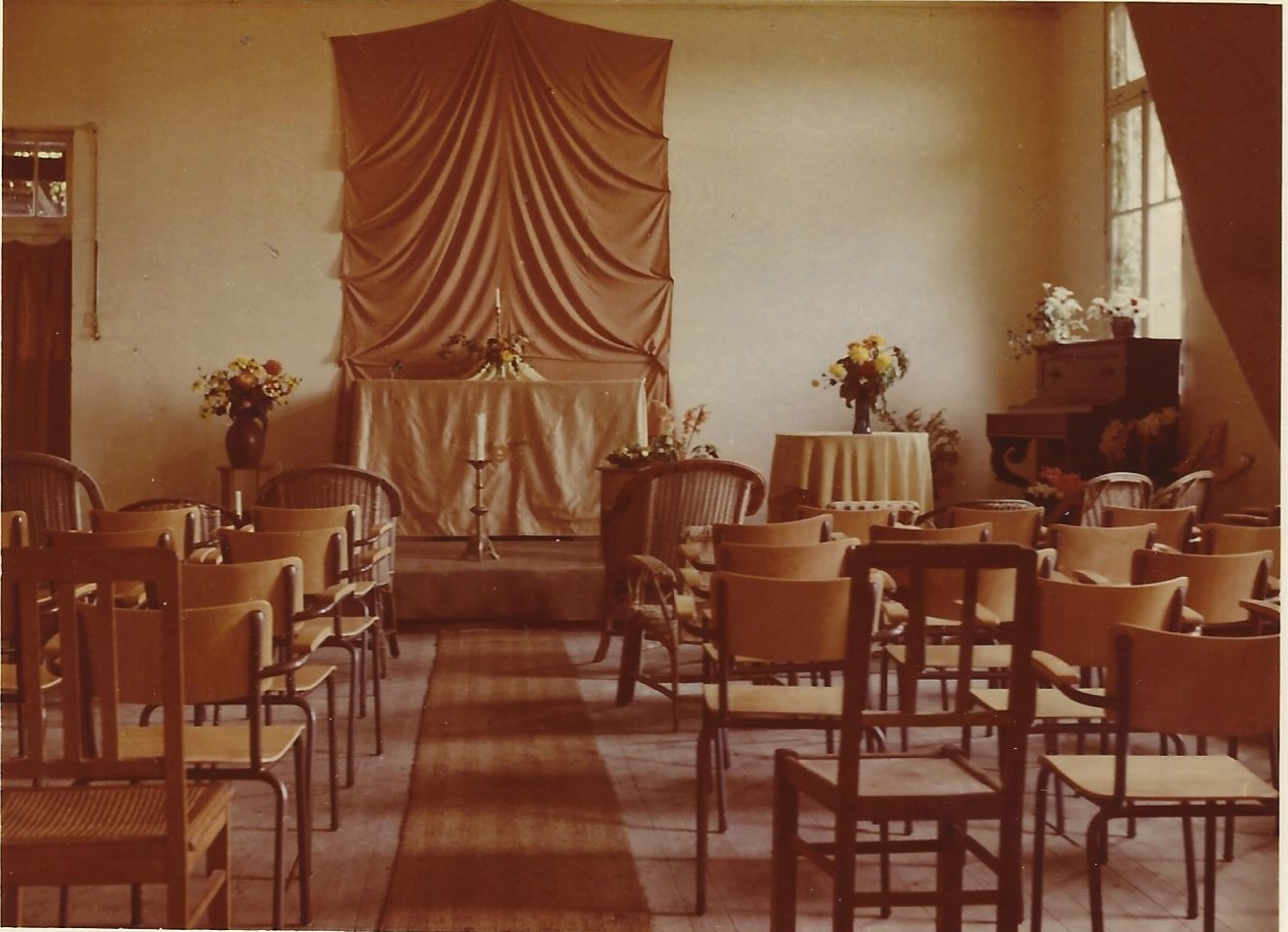
A rare colored picture of the interior of the Lecture Hall.
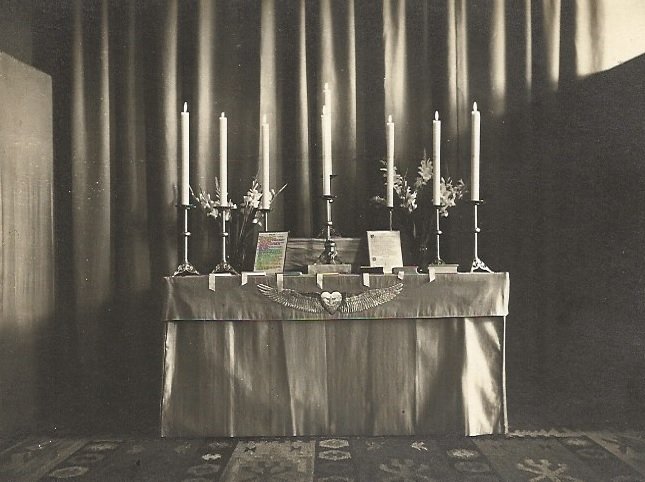
The altar for Universal Worship in the Lecture Hall.
The Lecture Hall in Suresnes was completed and brought into use in 1925 for Summer School gatherings.
Universel (Suresnes)
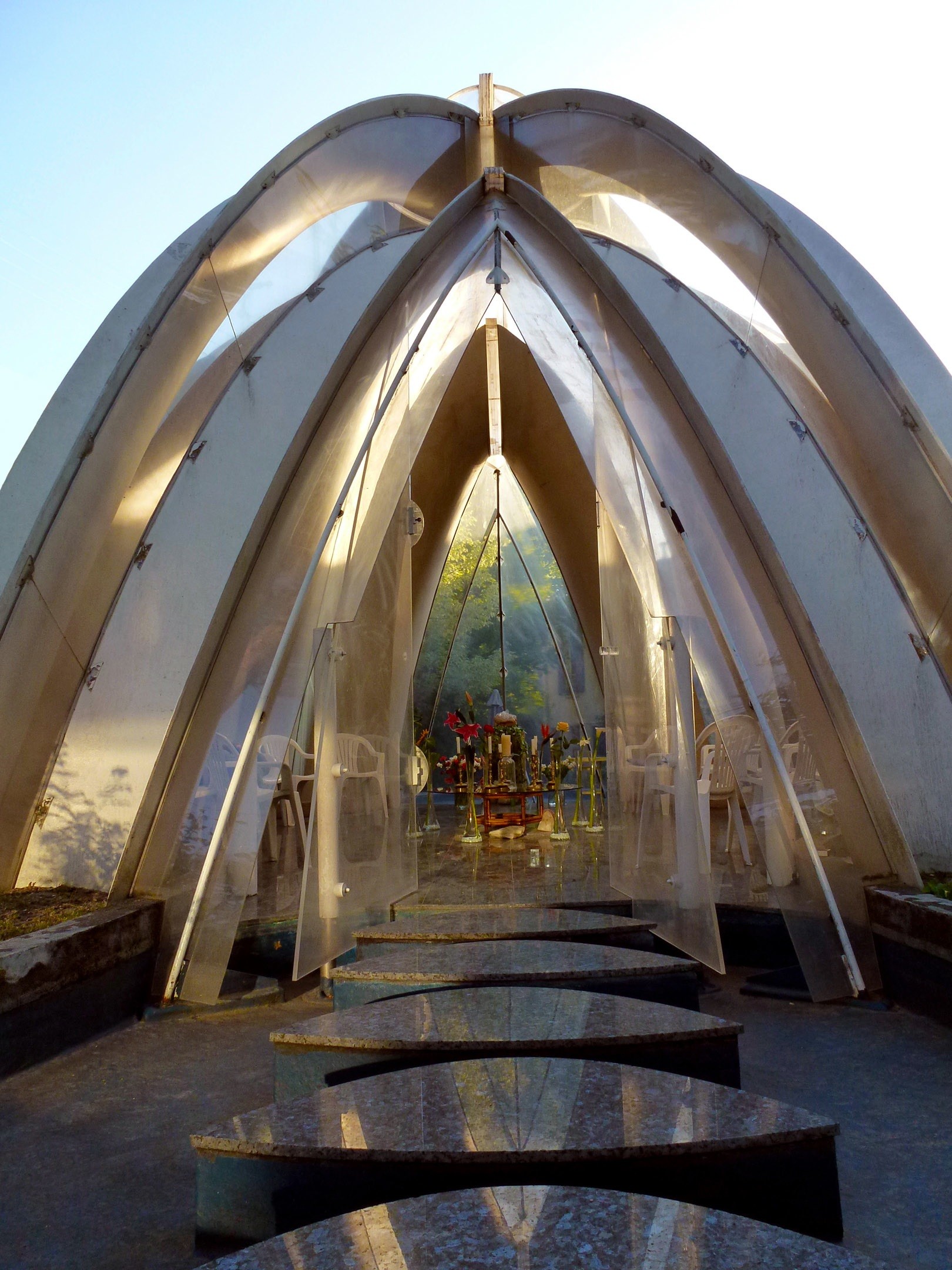
The Universel, a small building in the garden of Fazal Manzil: exterior and interior.
The Sufi community had failed to fund the building of a Universel (Sufi Tempel) on the Sufi land opposite of Fazal Manzil in the twenties. In 1956 this Sufi land was expropriated.
In 1990 Pir Vilayat had this modest Universel built in the garden next to Fazal Manzil.
Besides being a sanctuary, the building is also dedicated to the memory of Noor-un-Nissa Inayat Khan, a Second World War heroine and the eldest daughter of Murshid Inayat Khan.
South Africa
Sufi Temple (Universel)
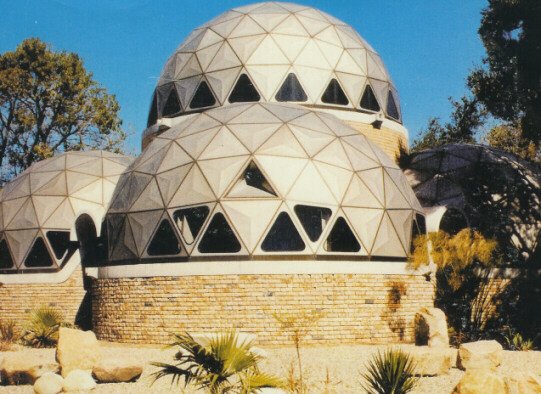
The Sufi Temple, or 'Universel', in Cape Town.
The term "Universel" is used for Sufi temples dedicated to Universal Worship.
Cape Town is the legislative capital of South Africa and is known for Table Mountain and Cape Point.
The Netherlands
Universel Murad Hassil
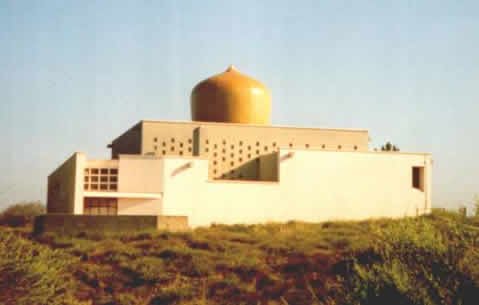
Universel Murad Hassil in Katwijk aan Zee, the Netherlands.
In 1922 Hazrat Inayat Khan blessed a site in the dunes near Katwijk and named it Murad Hassil ("wish fulfilled"), the future location of the Universel.
Katwijk aan Zee is a seaside resort on the North Sea at the mouth of the Oude Rijn.
Source: https://universel.nl/
Anna Paulownastraat 78
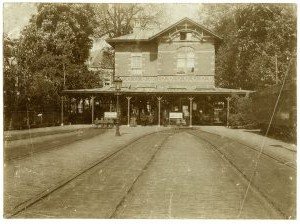
Anna Paulownastraat 78, The Hague, at the beginning of the twentieth century. The building still served as a tram depot here.
In 1929 a church hall was added to the residence, creating a dedicated space for worship and lectures.
AP 78, as it is called by insiders nowadays is located next to the famous Peace Palace, which houses the International Court of Justice and the Permanent Court of Arbitration.
Website: Stichting Inayat, Fundatie Sirdar
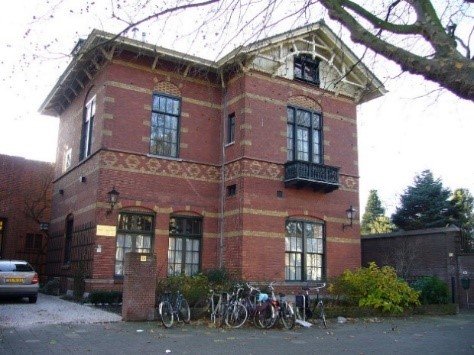
Arnhem Station (1870 building)
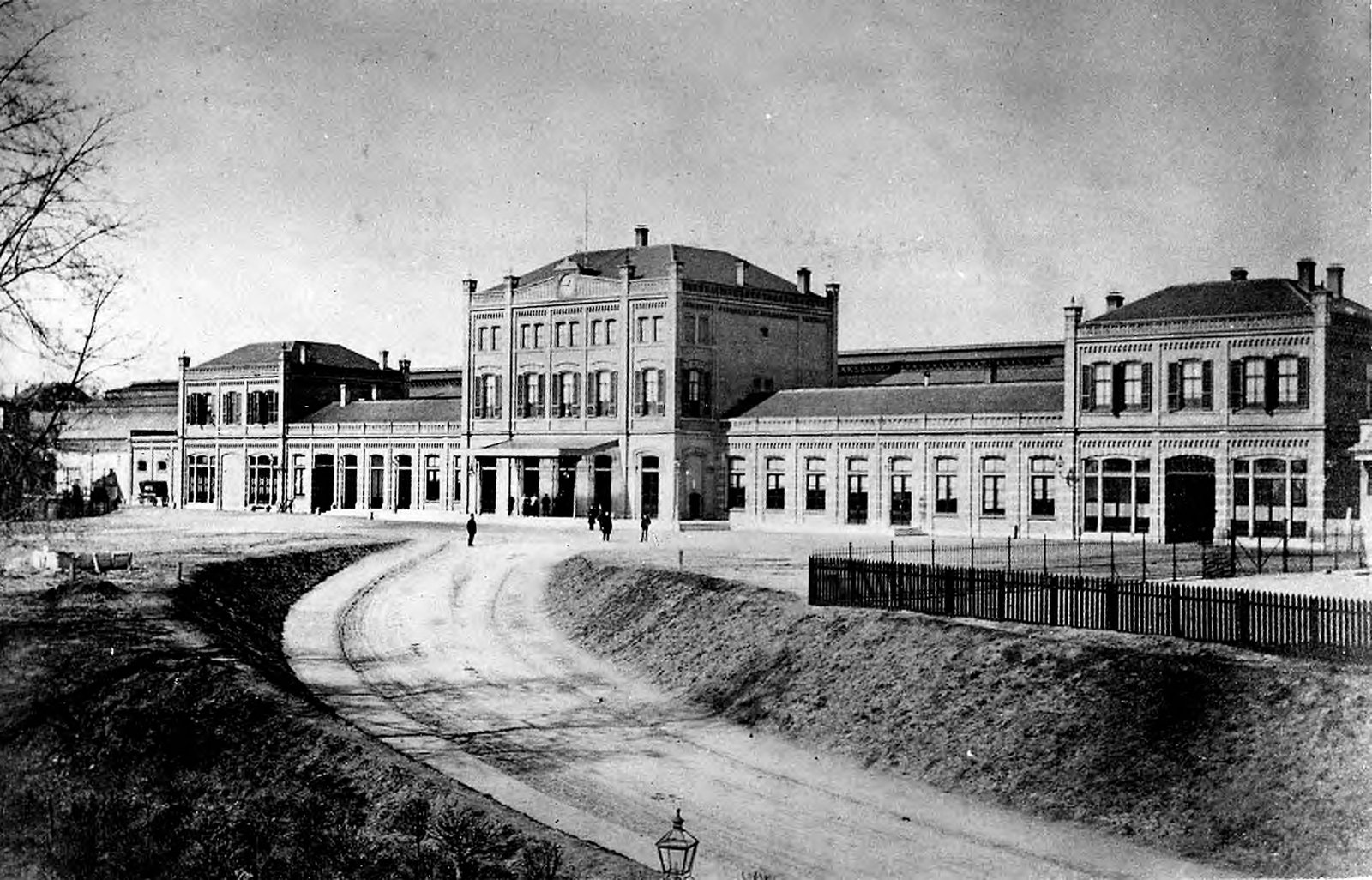
The Arnhem station as it looked when Hazrat Inayat Khan arrived in 1921 on one of his early visits to the Netherlands. The building was lost in the war.
Arnhem Centraal is the main railway station of Arnhem and originally opened in 1845.
The historic station building shown here no longer survives.
Bazarstraat 20
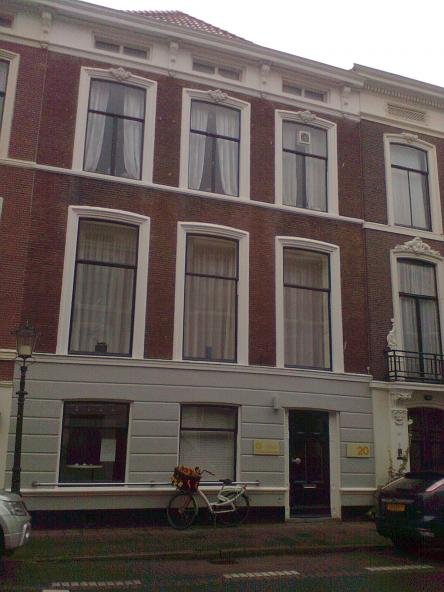
Bazarstraat 20 in The Hague, home of the Hague center from 1933 to 1940. For further read go to the Chronicle 1933 of this website.
Banstraat 24
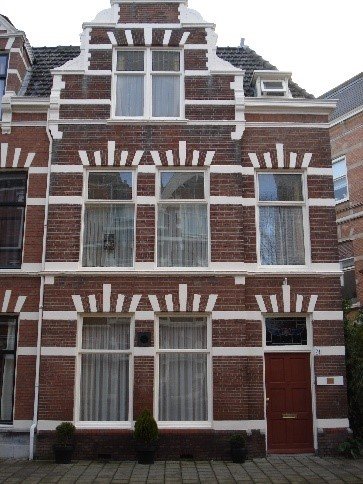
Banstraat 24 in The Hague. The residence of Musharaff and Shahzadi Khan from 1962. Shahzadi lived here until 1993. The Sufi Museum and the International Headquarters archive were housed here for 25 years. The building was sold in 2018; the Sufi Museum moved to Anna Paulownastraat 78, and the International Headquarters archive moved to Benoordenhoutseweg in The Hague.
Sufi Darbar at Banstraat 24 opened as a residence and ceremonial hall with seating for around 70 people.
For more information and pictures of the interior please visit: https://www.sufimuseum.nl/
Frederik Hendriklaan 25 and 27
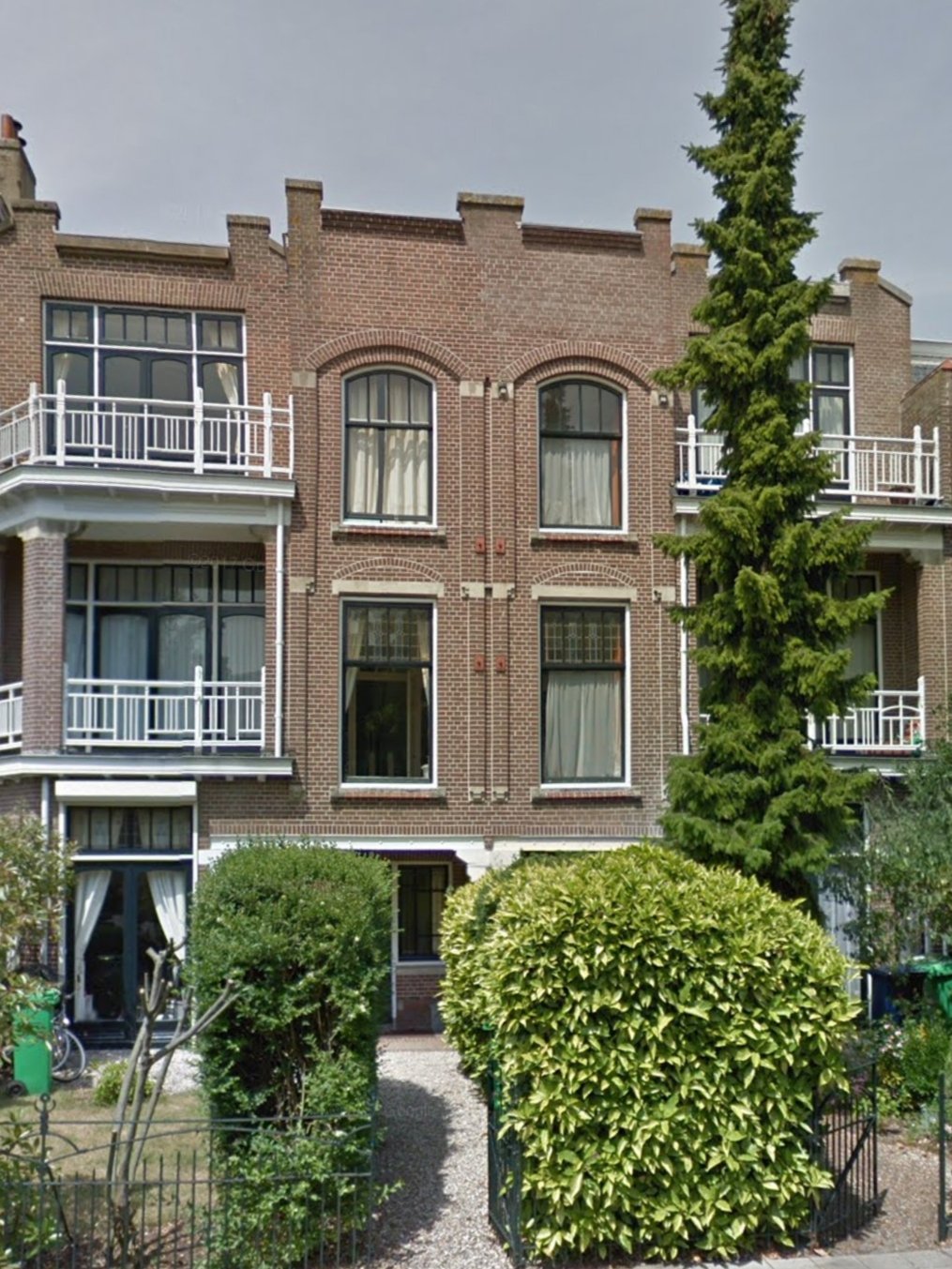
Frederik Hendriklaan 25 (right) and 27 (left) in The Hague. For more than a century these were the homes of the Van Goens family and later also Maheboob and Ali Khan. Today no. 27 is rented out. No. 25 is home to Shaikh-ul-Mashaik Mahmood Khan Youskine and his wife Harunissa, and it is also the address of the Maheboob Khan Foundation.
These addresses have served as Van Goens family homes and later as residences for Maheboob and Ali Khan for over a century.
Provenierssingel 41
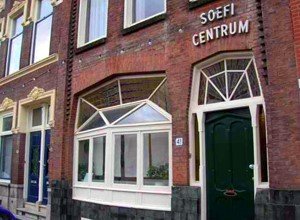
Provenierssingel 41, Rotterdam. The building of the Rotterdam center.
The Rotterdam center established its permanent home at Provenierssingel 41.
Rotterdam is Europe's largest seaport and is known for its modern architecture after World War II reconstruction.
Land en Bosch
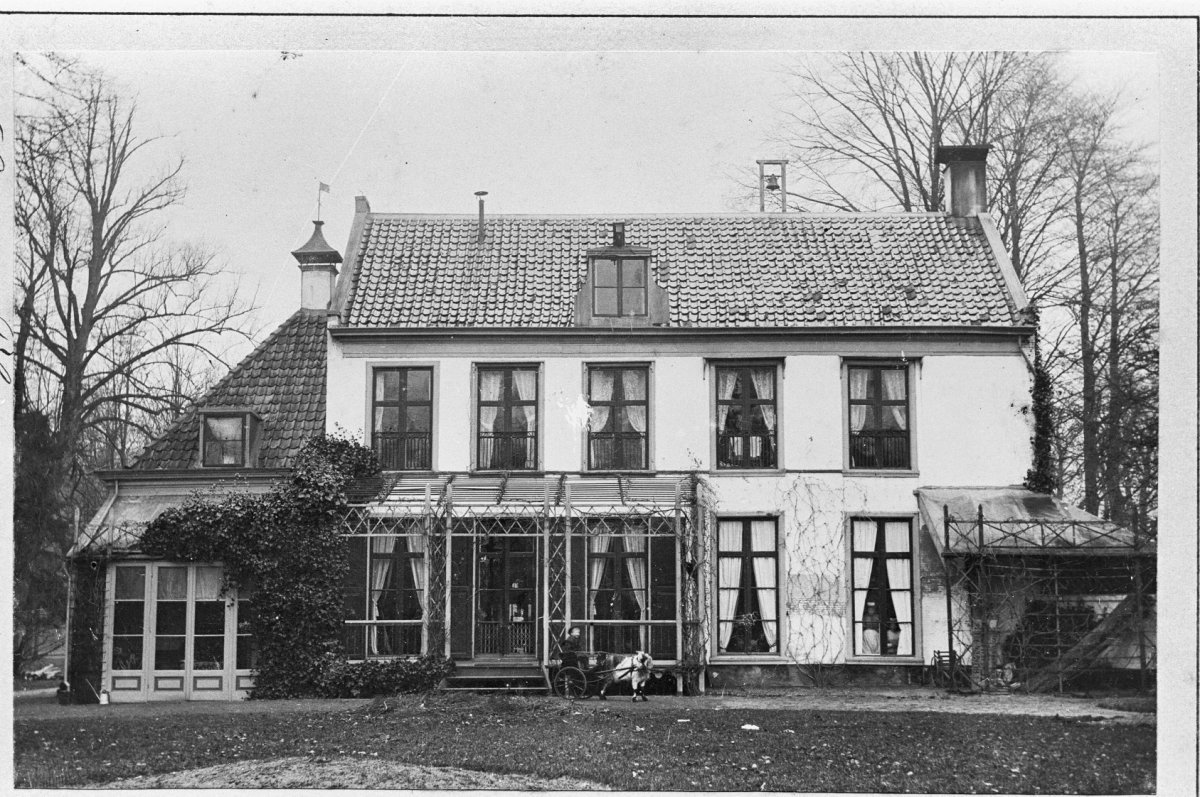
Land en Bosch in 's-Graveland. From 1965, Sufi days (land days or brotherhood days) were regularly organized in this country house.
Land en Bosch has been an estate since 1782 and covers about 3.5 hectares.
The present house dates from the early twentieth century and was built in chalet style.
Sources: Wikipedia (NL): Land en Bosch

Kloosterkerk
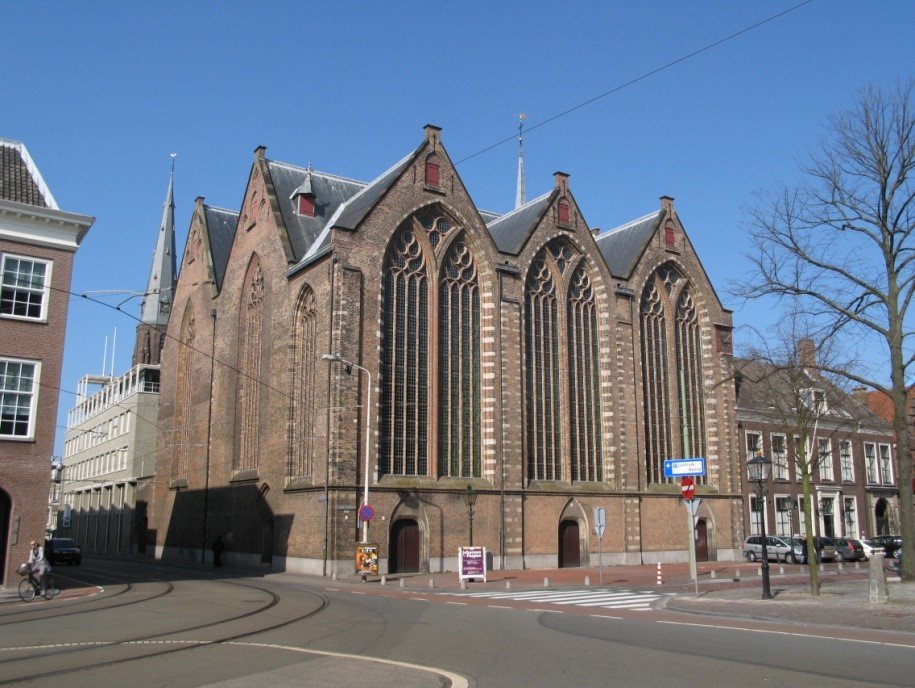
From the Kloosterkerk in The Hague, Musharaff Moulamia Khan was buried in 1967.
The Kloosterkerk was founded in 1397 on the Lange Voorhout in The Hague.
The church is known today as a place where members of the Dutch royal family have attended services.
Research note: Additional context is drawn from public reference sources and the Sufipedia Chronicle of the initial Dutch version of Sufipedia. If you have archival corrections, higher-resolution images, or updated building histories, please share them with the editorial team.
United States of America
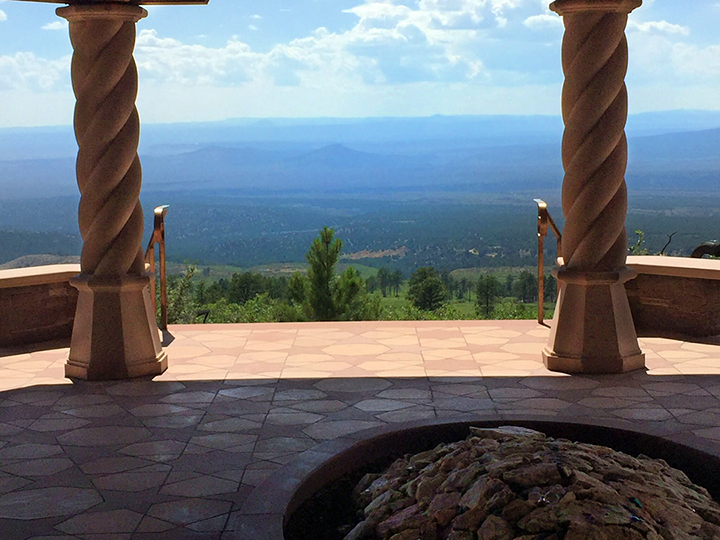
The Dargah of Murshid S.A.M. Lewis, founder of the Ruhaniat International
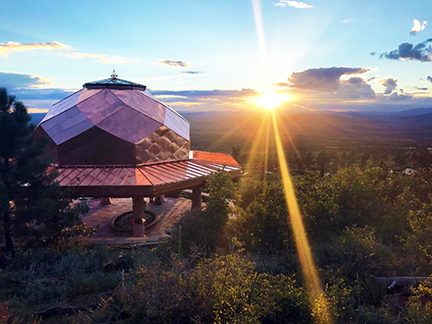
The Dargah of Murshid S.A.M. Lewis, located in San Cristobal, New Mexico.
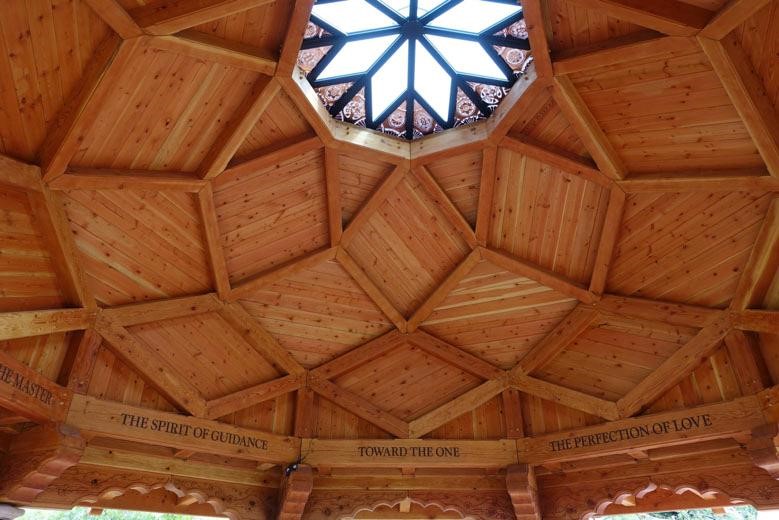
"Dargah" is a Persian word for the burial shrine of a sufi saint or master. The architect of the Dargah, Eric Doud, synthesized the form of traditional dargahs of India and Pakistan with the Southwestern architecture of the New Mexico region. He applied principles of sacred geometry so the Dargah would have resonance with fundamental forms found throughout nature.
The foundation stone facade design is meant to honor the first inhabitants of the land, the Ancient People. The dome of the Dargah echoes the structure of the Lama dome and the cherished Old Kitchen, with its eight-sided geometric design. Malik Braun was the Project Manager for the building of the Dargah which spanned a period of 10 years from inspiration to manifestation.
Murshid SAM was the first spiritual teacher invited to teach at Lama Foundation by the resident community. Upon visiting Lama, he was deeply impressed by the ideals and practices held at Lama Foundation and asked to be buried there.
(Text and pictures have been kindly provided by Basira Beardsworth from the Ruhaniat International)
Below: a view from the interior of the Dargah and a picture of the wooden ceiling.